

Walking into a tasting room or looking at an extensive wine list can feel intimidating. With all the subtle hand swirls, deep glass sniffs, and technical vocabulary, it is easy to feel like you are missing a secret code.
The good news? Wine tasting is not an exclusive club reserved for seasoned sommeliers. At its core, it is simply a sensory way to pay closer attention to what is in your glass. Whether you are sipping private-label Cabernet Sauvignon at a scenic boutique estate like Napa 487 Winery & Spa or enjoying a casual glass at home, learning how to taste wine like a pro boils down to a few basic techniques.
Here is everything you need to know about wine tasting for beginners, broken down step by step.
Table of Contents
Mastering the Essentials: How to Taste Wine Properly
Sight
Swirl
Smell
Taste
Savor
Decoding Palate Sensations: What Does Tannin Taste Like?
If you have ever taken a sip of a bold red wine and felt your mouth suddenly dry out, you have experienced tannins firsthand. Understanding what does tannin taste like comes down to recognizing tactile mouthfeel rather than just flavor.
Tannins are natural compounds found in grape skins, seeds, stems, and oak barrels used during aging. Instead of a distinct flavor on your tongue, tannin creates an astringent, drying sensation across your cheeks, gums, and tongue, similar to drinking over-steeped black tea or biting into dark chocolate.
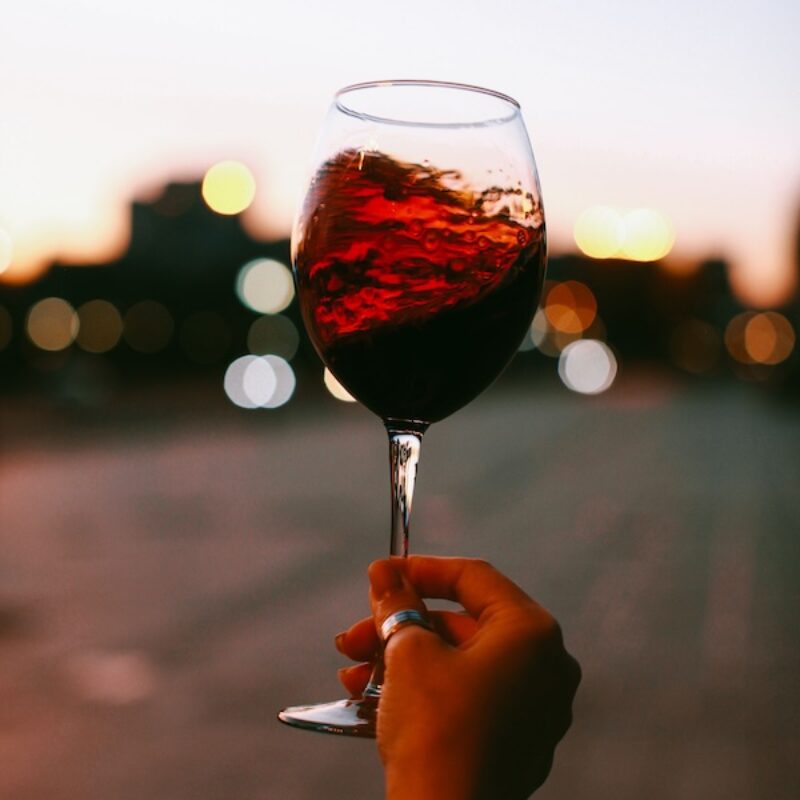
Mastering the Technique: How to Swirl Wine
Watching someone rotate their glass effortlessly looks stylish, but learning how to swirl wine is a practical skill that anyone can master in seconds.
If you are worried about sloshing red wine onto your shirt, start with the tabletop method:
Keep the base of the wine glass resting flat on a table or counter.
Place your thumb and index finger near the base of the stem.
Draw small, smooth circles on the table surface for three to five seconds.
Unlocking Flavor and Aroma: Why We Swirl Wine
Knowing the motion is only half the equation; understanding why to swirl wine helps you get the most out of every glass.
Swirling exposes a larger surface area of the liquid to oxygen. Aeration helps soften harsh young tannins and causes volatile aromatic molecules to evaporate into the empty space inside the glass. Without swirling, you miss out on a significant percentage of the wine’s rich bouquet and complex aromas.
Reading the Glass: What Are Wine Legs?
After swirling your glass, you will notice liquid droplets forming along the inner glass walls and slowly trickling back down into the bowl. So, what are wine legs (sometimes called “tears”)?
A common misconception is that prominent wine legs indicate a higher-quality wine. In reality, legs are purely a physical phenomenon caused by fluid evaporation rates, known as the Gibbs-Marangoni effect.
Thick
Thin
Expressing Your Palate: How to Describe Wine Taste
- Fruit Profiles: Do you pick up crisp orchard fruits (green apple, pear), bright citrus (lemon, grapefruit), dark fruits (blackberry, plum), or warm red berries (raspberry, cherry)?
- Weight & Texture (Body): Does the wine feel light and refreshing like skim milk, or richer and fuller like whole milk?
- Sweetness vs. Dryness: Does the wine leave a hint of lingering sweetness on the tip of your tongue, or is it completely dry?
- Secondary Accents: Do you catch subtle notes of vanilla or toast from oak aging, or earthy hints like dried herbs, mineral stone, or leather?
Building Your Vocabulary: Essential Wine Tasting Notes for Beginners
Here are eight classic structural terms every beginner should know:
- Acidity: The mouth-watering, crisp sensation that gives wine its freshness and structure.
- Body: The perceived weight and richness of the wine on your palate (light, medium, or full-bodied).
- Dry: A wine with little to no residual sugar left after fermentation.
- Finish: The lingering taste impression and texture that stays in your mouth after swallowing.
- Oak: Flavors imparted by aging in oak barrels, such as sweet vanilla, baking spice, or subtle toasted wood.
- Notes: Specific flavor or aroma descriptors picked up during tasting (e.g., “crisp apple notes” or “smoky notes”).
- Balance: How seamlessly the wine’s acidity, sweetness, tannins, and alcohol content integrate together without any single element overpowering the rest.
- Terroir: The unique combination of soil, climate, and geography of a vineyard site that shapes a wine’s distinct personality.
Ready to Put Your Skills into Practice?
The best way to build confidence with wine is to keep tasting and exploring.
Put your new skills to use with a private tasting or curated pairing experience at Napa 487 Winery & Spa, featuring private-label Napa Valley wines in a relaxed setting near Cuyahoga Valley.